Wooden Fence & Decorative Yard Railing CA Ideas
There is a distinct satisfaction in defining a space with structure that feels both solid and inviting. Whether you are standing in a sun-drenched backyard in California or sketching out a concept for a client's branding package, the concept of a wooden fence paired with decorative yard railing offers a unique blend of utility and aesthetic potential. In the Golden State, where outdoor living is less of a luxury and more of a lifestyle, these elements serve as the frame for daily life. They mark boundaries without closing off views, providing security while enhancing curb appeal. But beyond the physical construction, this theme has exploded into the digital realm, offering creators, designers, and marketers a rich vein of visual inspiration through high-quality assets like EPS, JPG, SVG, and transparent PNG files.
When we talk about wooden fencing and decorative railings in a Californian context, we are often discussing a specific architectural language. It is the transition from the rigid privacy of a tall cedar plank to the open, airy feel of a split-rail or a craftsman-style balustrade. This duality is what makes the subject so interesting for creative professionals. It represents the balance between protection and invitation. For homeowners, it is a tangible improvement to their property value and enjoyment. For digital creators, it is a versatile motif that can be adapted for everything from real estate listings to whimsical children's book illustrations.
Bridging Physical Landscapes and Digital Design
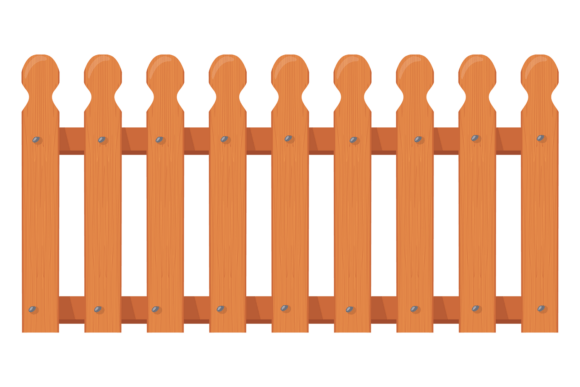
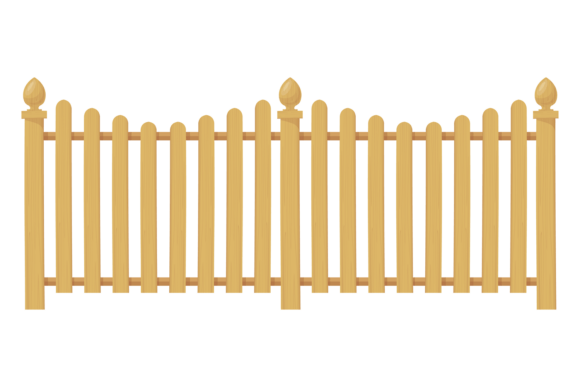
The modern creator often works at the intersection of the physical and the digital. A landscape architect might need to present a 3D render of a proposed backyard renovation, while a graphic designer might be creating a logo for a gardening supply store. In both cases, the availability of isolated assets—specifically those featuring wooden fence and decorative yard railing cartoon borders—becomes invaluable. These digital resources allow for rapid prototyping and clear communication of ideas without the need for expensive photoshoots or custom illustration from scratch.
Consider the utility of an SVG file for a web developer building a site for a local fencing contractor. Unlike a raster image, an SVG scales infinitely without losing quality. This means the decorative railing graphic looks crisp on a massive desktop monitor and equally sharp on a smartphone screen. When these elements are provided as a cartoon border isolated on a white background, they offer immediate flexibility. The designer can easily remove the white background using the accompanying transparent PNG, placing the fence motif over a photo of a garden, a solid color block, or a textured paper background. This adaptability is crucial for maintaining a consistent brand identity across different platforms.
Creative Applications for Diverse Audiences
The versatility of these assets means they are not limited to one industry. Let's explore how different professionals can leverage these concepts:
- Real Estate Marketers: Use high-resolution JPGs of decorative railings to highlight property features in listing brochures. A well-placed graphic can draw the eye to the "outdoor living" section of a flyer, suggesting a lifestyle of relaxation and safety.
- Educators and Publishers: Teachers creating worksheets or authors illustrating children's books can utilize the cartoon border style to create engaging frames around text. The friendly, approachable nature of a cartoon-style fence makes content feel safe and welcoming for younger audiences.
- Small Business Owners: A local nursery or hardware store can use these graphics for social media posts. Imagine a "Spring Sale" announcement framed by a charming wooden picket fence graphic; it instantly sets the seasonal tone and connects with the community's desire for home improvement.
- Web Designers: Incorporate these elements as section dividers on a blog about sustainable living or DIY home projects. The horizontal line of a railing provides a natural break in the content, guiding the reader's eye down the page.
For entrepreneurs launching a product line related to home goods, consistency is key. Using a set of coordinated assets—perhaps a mix of realistic wood textures and stylized cartoon borders—helps build a recognizable visual language. The goal is to ensure that whether a customer sees an Instagram story, a website banner, or a printed catalog, the core visual elements remain coherent.
Style Variations and Interpretation
Not all fences tell the same story. The style you choose communicates a specific mood. A rustic split-rail fence evokes feelings of countryside freedom and expansive land, perfect for brands focusing on organic products or outdoor adventure. In contrast, a decorative wrought-iron style railing with wooden accents suggests elegance, tradition, and meticulous care. When selecting or creating assets, consider the emotional response you want to elicit.
In California, the "Craftsman" style is particularly prevalent. This involves sturdy wooden posts with simple, clean lines and perhaps some geometric detailing in the railing. If you are adapting this for a digital project, look for assets that capture these specific proportions. A generic fence graphic might not resonate with a local audience who knows the difference between a Victorian picket and a mid-century modern screen. Authenticity in design details builds trust with your audience.
Furthermore, the medium matters. A transparent PNG is essential for layering. It allows you to place the fence in front of a sunset photo or behind a block of text without unsightly white boxes ruining the composition. Meanwhile, the EPS format is the gold standard for print. If you are designing a large-scale banner for a home show or a vehicle wrap for a landscaping truck, the vector data in an EPS file ensures that the curves of the decorative railing remain smooth and professional, regardless of the print size.
Practical Tips for Implementation
To get the most out of these resources, organization is vital. When downloading a pack containing EPS, JPG, SVG, and PNG files, immediately sort them into folders based on their intended use. Keep your vector files (EPS/SVG) separate from your raster images (JPG/PNG). This workflow saves time when you are under a deadline and need a specific format quickly.
When integrating a cartoon border isolated on a white background into a complex design, don't be afraid to modify it. Change the wood color to match your brand palette. Adjust the saturation to fit a vintage or modern aesthetic. The best designs often come from taking a solid base asset and tweaking it to fit a unique vision. However, always respect licensing agreements. Ensure you have the right to modify and distribute the work, especially if you are using it for commercial client projects.
Finally, remember the principle of subtraction. Just because you have a decorative element doesn't mean you must use it everywhere. Use the wooden fence motif to frame key information or to separate distinct sections of content. Overuse can lead to visual clutter, distracting from your main message. The fence should support the content, not overpower it.
Finding Inspiration in Everyday Structures
Ultimately, the appeal of the wooden fence and decorative railing lies in its universality. It is a structure everyone recognizes, yet it holds endless possibilities for interpretation. Whether you are physically building a boundary in your yard or digitally constructing a brand identity, the principles remain the same: define the space, invite the viewer in, and do it with style. By leveraging high-quality, versatile assets, you can bring this timeless aesthetic into your projects with clarity and creativity, ensuring your work stands out in a crowded market.