Vintage Wooden Clock: A Timeless Decorative Interior Icon
There is a distinct warmth that only wood can bring to a living space, and few objects capture this essence quite like a vintage wooden clock. Whether you are a homeowner looking to refresh your living room, an interior designer curating a specific aesthetic, or a digital creator seeking the perfect graphic element, understanding the appeal of these timepieces opens up a world of stylistic possibilities. The concept of a Vintage Wooden Clock. Decorative Interio goes beyond simply telling time; it represents a bridge between functional utility and artistic expression, serving as a focal point that grounds a room in history and craftsmanship.
At its core, a vintage wooden clock is defined by its materiality and age. Unlike modern plastic or metal alternatives, these clocks feature cases crafted from solid timber—often oak, walnut, mahogany, or pine—that have developed a rich patina over decades. The grain of the wood tells a story, offering texture and depth that synthetic materials cannot replicate. When we discuss these items in the context of decorative interiors, we are talking about pieces that command attention without shouting. They offer a sense of permanence and stability, qualities that are increasingly valued in our fast-paced, digital-heavy lives.
The Enduring Appeal of Rustic and Classic Design
Why do people remain so drawn to these older timepieces? The answer lies in their versatility and emotional resonance. A vintage wooden clock acts as an anchor in a room, providing a visual weight that balances lighter, more contemporary furnishings. For beginners in interior design, adding one of these clocks is a low-risk way to introduce character into a sterile environment. They fit seamlessly into various themes, from farmhouse chic and rustic cabin styles to mid-century modern and traditional libraries.
The value of a vintage wooden clock also stems from its mechanical soul. Many of these pieces house intricate gear systems that tick with a rhythmic, soothing sound. This auditory element adds a layer of sensory experience to a room, reminding occupants of the passage of time in a gentle, organic way. Furthermore, because each piece of wood is unique, no two clocks are exactly alike. This exclusivity appeals to collectors and hobbyists who appreciate individuality in their decor.
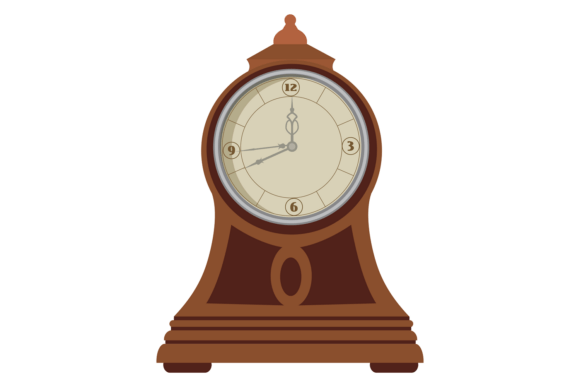
In the realm of digital assets, the imagery of these clocks holds equal weight. Designers often seek high-quality representations of these objects to convey themes of heritage, reliability, and tradition. A search for a vintage wooden clock. Decorative interior element icon isolated on white background EPS, JPG, SVG, transparent PNG reveals how essential these visuals are for branding and marketing. Whether used on a website header, a product label for artisanal goods, or a social media post for a home decor blog, these isolated icons allow creators to integrate the charm of wood and antiquity into modern digital layouts without the distraction of a busy background.
Practical Uses in Physical and Digital Spaces
Integrating a vintage wooden clock into your life can happen in several tangible ways. For the physical home, placement is key. These clocks shine when given space to breathe. Hanging a large regulator clock in an entryway sets a welcoming tone for guests, while placing a smaller mantel clock on a bookshelf adds a touch of intellectual curiosity. In commercial settings, such as cafes, boutiques, or co-working spaces, these clocks reinforce a brand identity that values quality and longevity. They signal to customers that the business cares about details and atmosphere.
On the digital front, the applications are equally broad. If you are a marketer launching a new line of organic skincare products, using a graphic of a vintage wooden clock can subtly communicate natural ingredients and timeless beauty. Educators creating history presentations might use these icons to illustrate the industrial revolution or the evolution of timekeeping. Freelance graphic designers frequently utilize files in formats like EPS or SVG because they offer scalability. You can shrink the icon for a mobile app interface or enlarge it for a billboard without losing the crisp details of the wood grain or the clock face numerals.
Consider the scenario of a small business owner creating a logo. Choosing a vintage wooden clock motif suggests that the company is established and trustworthy, even if it is a new startup. The transparency of a PNG file allows the image to sit perfectly over colored backgrounds or textured overlays, giving the designer total freedom. Similarly, a JPG version might be preferred for quick web loading where complex vector data isn't necessary, ensuring the site remains fast while still looking professional.
Key Considerations Before You Choose
Before acquiring a physical vintage wooden clock or selecting a digital asset, there are important factors to weigh. For physical purchases, condition is paramount. Inspect the wood for signs of structural damage, such as deep cracks or warping, which could affect the clock's ability to hang straight or keep time. Check the movement; does it tick evenly? Is the pendulum swinging smoothly? Restoration can be a rewarding hobby, but it requires patience and specific tools. If you are not ready for a project, look for pieces that have already been serviced.
When selecting digital resources, pay close attention to the file formats offered. If you need to edit the colors of the wood or the hands of the clock, an SVG or EPS file is essential as these are vector-based and editable in software like Adobe Illustrator. A JPG or flat PNG is merely a picture; you cannot easily change its components without advanced photo editing skills. Ensure that the "isolated on white background" claim is accurate. Poorly cut-out images often have halos or stray pixels around the edges, which can look unprofessional when placed on dark or vibrant backgrounds.
Additionally, think about the scale relative to your needs. A massive grandfather clock illustration might overwhelm a business card, while a tiny wall clock icon might get lost on a website banner. Always preview the asset at the intended size. For physical clocks, measure your wall space carefully. A common mistake is choosing a clock that is too small for a large wall, making it look insignificant, or too large for a cozy nook, making the space feel cramped.
Bringing History into the Modern Era
Ultimately, whether you are holding a restored 19th-century timepiece in your hands or dragging and dropping a high-resolution icon onto a canvas, you are engaging with a symbol of endurance. The vintage wooden clock serves as a reminder that good design transcends trends. It connects us to the artisans of the past while remaining fully relevant in today's aesthetic landscape.
For creators and entrepreneurs, leveraging this imagery can elevate a brand's perceived value. For homeowners, it adds a layer of soul to a house. The flexibility of these items—from heavy, tactile furniture to lightweight, versatile digital files—makes them an invaluable resource across industries. By understanding the nuances of both the physical object and its digital representation, you can make informed choices that enhance your projects, spaces, and visual communications. Embrace the grain, respect the mechanism, and let the timeless nature of wood guide your creative decisions.