Reviving Classic Elegance with Vintage Ornamental Decorative Elements V
In an era where digital minimalism often dominates screen space, there is a resurging appetite for the intricate, the hand-crafted, and the historically rich. Designers, artisans, and hobbyists alike are turning back to the archives to find inspiration that feels timeless rather than trendy. At the heart of this movement lies the need for high-quality assets that capture the essence of bygone eras without sacrificing modern usability. This is precisely where Vintage Ornamental Decorative Elements V steps in, offering a curated collection that bridges the gap between historical grace and contemporary workflow efficiency.
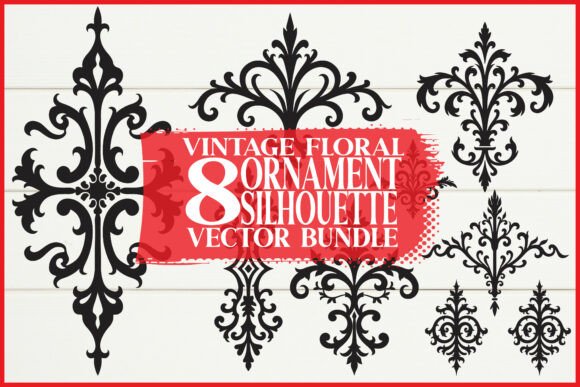
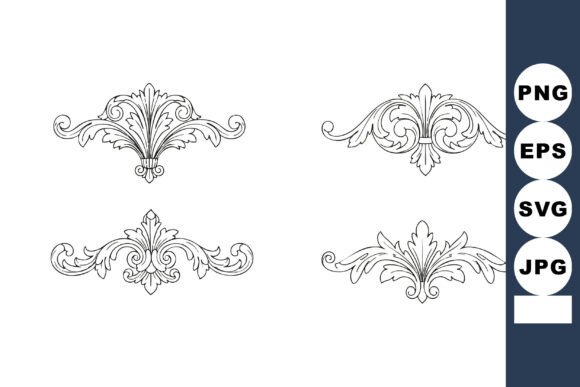
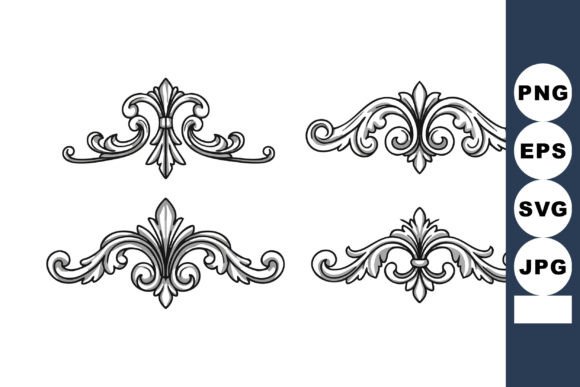
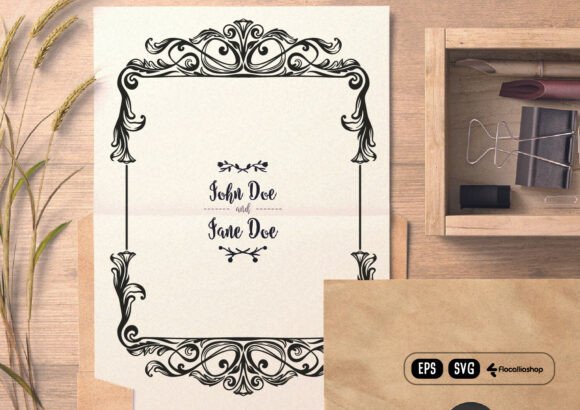
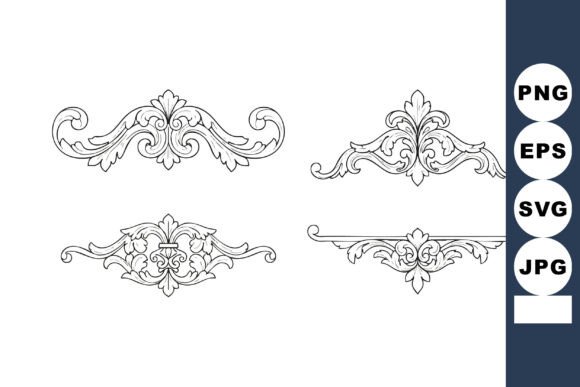
This specific vector set distinguishes itself through its dedication to elegant floral scrolls rendered in stark black and white. Unlike cluttered or overly complex baroque patterns that can overwhelm a layout, these elements strike a delicate balance. They provide enough detail to command attention while maintaining the negative space necessary for clean, professional design. Whether you are framing a wedding invitation, creating a luxury brand identity, or adding a touch of sophistication to a website header, the versatility of these ornaments is unmatched.
The Power of Black and White Florals in Modern Design
Color trends may shift from year to year, but the monochromatic palette remains eternally relevant. The decision to present Vintage Ornamental Decorative Elements V in black and white is not merely an aesthetic choice; it is a strategic one for the creator. By stripping away color, these vectors become chameleons, ready to adapt to any brand guideline or mood board.
Consider the practical application. A designer working on a project for a client with a specific corporate blue can instantly recolor these SVG files to match, something that is far more difficult with rasterized, pre-colored images. Furthermore, the high contrast of black ink on a white background (or vice versa) ensures maximum legibility and impact. These floral scrolls evoke a sense of graceful mood that colors sometimes dilute. There is a purity in the line work that speaks directly to the viewer, suggesting refinement and attention to detail.
The floral motifs themselves are drawn from classic botanical illustrations and Victorian-era engravings. However, they have been refined for digital use. The curves are smooth, the terminals are sharp, and the composition of each scroll is balanced to serve as a corner piece, a divider, or a central emblem. This makes them indispensable for projects requiring a touch of heritage without looking dated or dusty.
Technical Versatility: Why File Formats Matter
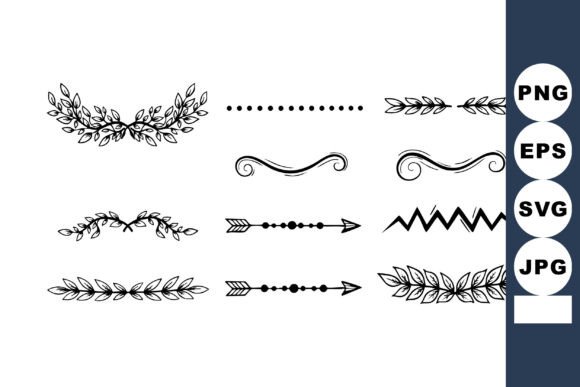
One of the most significant hurdles designers face when sourcing stock art is file compatibility. A beautiful image is useless if it cannot be edited or scaled for the intended medium. The downloadable ZIP included with Vintage Ornamental Decorative Elements V addresses this by providing a comprehensive suite of formats: SVG, EPS, JPG, and PNG.
- SVG (Scalable Vector Graphics): Ideal for web designers and UI/UX professionals. These files remain crisp at any resolution, ensuring that your ornamental borders look perfect on a 4K monitor or a mobile phone screen. They are also easily animatable using CSS or JavaScript.
- EPS (Encapsulated PostScript): The industry standard for print professionals. If you are sending files to a commercial printer for business cards, brochures, or large-format signage, EPS ensures that the vector paths are preserved perfectly within Adobe Illustrator or CorelDRAW.
- PNG (Portable Network Graphics): Perfect for quick mockups, presentations, or digital documents where transparency is required. The included PNGs likely feature transparent backgrounds, allowing you to drop the ornament directly onto a colored texture or photograph without unsightly white boxes.
- JPG (Joint Photographic Experts Group): While less flexible than vectors, high-resolution JPGs are useful for rapid prototyping or for use in software that does not support vector imports.
Having access to all four formats means you never have to convert files yourself, a process that can sometimes degrade quality or introduce artifacts. It streamlines the production pipeline, allowing you to move from concept to final output with greater speed.
Integrating Ornaments into Diverse Workflows
The utility of Vintage Ornamental Decorative Elements V extends far beyond graphic design studios. Its application spans various industries and creative pursuits, proving that classic aesthetics have a home in modern contexts.
In the wedding and event industry, these elements are gold. Invitation suites rely heavily on typography and framing to set the tone before the guest even reads the date. A delicate floral scroll at the top and bottom of a menu card instantly elevates the perceived value of the event. Because the elements are vectors, they can be scaled to fit anything from a small place card to a massive welcome sign without losing definition.
For packaging designers, especially those working with artisanal products like craft soaps, small-batch coffees, or boutique wines, these ornaments provide a visual shorthand for quality. A label featuring an elegant black-and-white scroll suggests that the product inside is curated and premium. The "graceful mood" conveyed by the artwork aligns perfectly with brands that want to distance themselves from mass-produced, generic aesthetics.
Even in digital publishing and blogging, these assets find a home. As content creators look to differentiate their newsletters and e-books, incorporating vintage dividers and chapter headers breaks up text in a visually pleasing way. It adds a layer of editorial polish that standard horizontal lines simply cannot achieve.
Considerations for Choosing the Right Ornament
When selecting decorative elements for a project, several factors come into play. First is the scale of complexity. Some vintage designs are so dense that they distract from the primary message. Vintage Ornamental Decorative Elements V avoids this pitfall by focusing on elegant, flowing lines that guide the eye rather than trapping it. The open nature of the floral scrolls allows text to breathe, which is crucial for readability.
Secondly, consider the context of usage. Are you designing for a dark mode interface? The black-and-white nature of these vectors makes inversion trivial. Need white ornaments on a navy background? Simply change the fill color in your vector editor. This adaptability reduces the need to purchase multiple variations of the same design.
Another critical consideration is authenticity. In a market flooded with AI-generated clip art that often suffers from weird anatomical errors in leaves or inconsistent line weights, human-curated or professionally digitized vintage elements stand out. The precision found in this specific collection ensures that the historical integrity of the design is maintained. The curves feel organic, mimicking the hand of an engraver rather than the algorithm of a generator.
Enhancing Brand Identity with Historical Flair
Building a brand identity is about storytelling. When a company chooses to incorporate vintage ornamental elements, they are telling a story of longevity, tradition, and craftsmanship. This is particularly effective for businesses that want to establish trust quickly. Law firms, financial advisors, and luxury real estate agencies often utilize these motifs to project stability and class.
However, the key is moderation. Overusing ornaments can make a brand feel old-fashioned or stuffy. The strategy with Vintage Ornamental Decorative Elements V should be selective placement. Use a single, striking corner element on a letterhead. Employ a subtle divider between sections of a website. Let the whitespace do the heavy lifting, allowing the intricate details of the floral scrolls to act as jewelry for your layout.
Furthermore, these elements pair exceptionally well with serif typefaces. Fonts that mimic traditional printing press styles, such as Bodoni, Baskerville, or Garamond, create a harmonious relationship with the swashes and curls of the ornaments. This typographic pairing reinforces the classic theme and creates a cohesive visual language across all brand touchpoints.
Future-Proofing Your Creative Assets
Investing in high-quality vector assets is an investment in the longevity of your projects. Trends in flat design and neon gradients will eventually fade, but the appeal of classical beauty is cyclical and enduring. By securing a pack like Vintage Ornamental Decorative Elements V, you are building a library of resources that will remain relevant for years to come.
The inclusion of multiple file formats ensures that these assets are future-proof against software changes. Whether you are using the latest version of Adobe Creative Cloud or open-source alternatives like Inkscape, the EPS and SVG standards ensure compatibility. This reliability saves time and frustration down the road, allowing you to focus on the creative aspects of your work rather than troubleshooting file errors.
Ultimately, the value of these decorative elements lies in their ability to evoke emotion. In a digital world that can often feel cold and transient, adding a touch of vintage elegance brings warmth and humanity back into design. It reminds the viewer of the care and thought put into the creation process. Whether you are a seasoned professional or a passionate amateur, integrating these graceful floral scrolls into your work can transform a standard composition into a piece of art that resonates deeply with audiences.