Elevating Design Projects with Ornamental Vintage Decorative Floral Elements
In the fast-paced world of digital design, there is a enduring hunger for aesthetics that feel timeless, handcrafted, and rich in history. While minimalism has had its moment, the pendulum often swings back toward complexity and detail. This is where ornamental vintage decorative floral elements shine. These intricate designs are not merely images; they are the building blocks of elegance, capable of transforming a plain layout into a sophisticated visual narrative. Whether you are a graphic designer, a wedding planner, or a hobbyist creating custom invitations, understanding how to leverage these assets can significantly elevate the quality of your work.
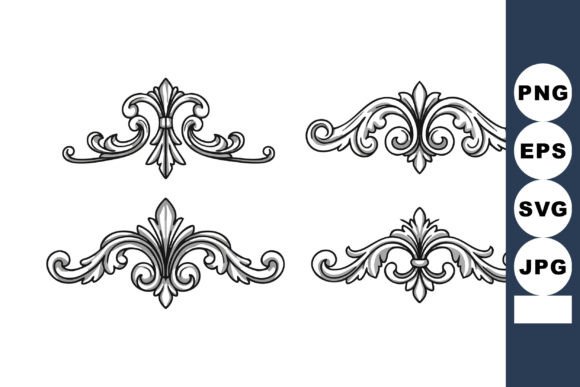
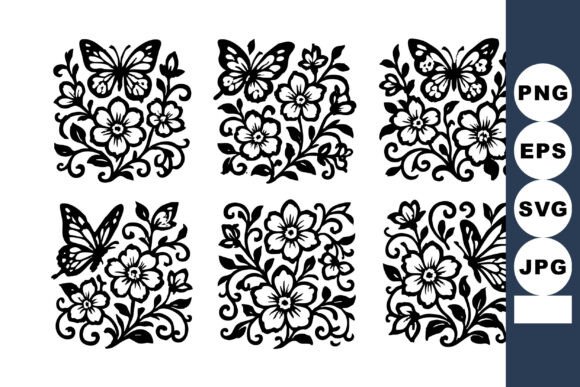
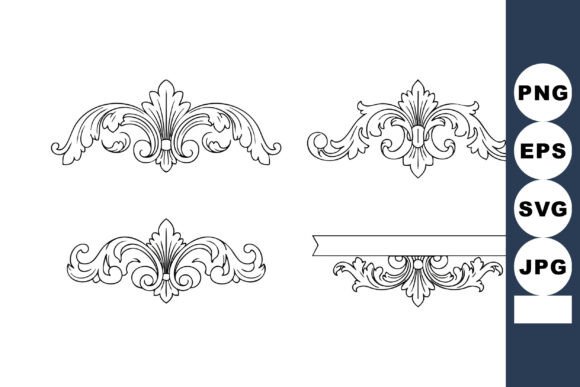
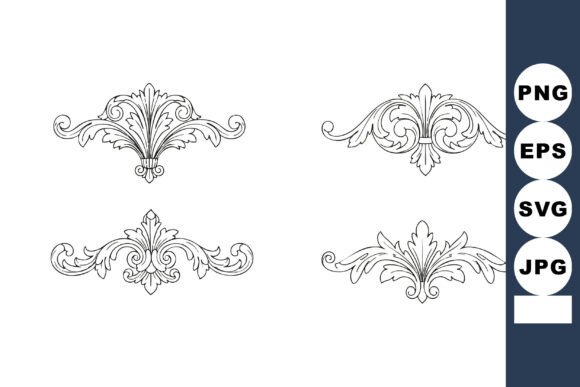
The specific appeal of these vector illustrations lies in their duality: they carry the weight of tradition while offering the flexibility of modern file formats. When you download a collection featuring four intricate ornamental floral elements, you aren't just getting pictures; you are acquiring a versatile toolkit. These assets typically come in a downloadable ZIP containing SVG, EPS, JPG, and PNG files, ensuring compatibility with virtually any software workflow from Adobe Illustrator to Canva. This accessibility allows creators to focus on the art rather than fighting with file conversions.
The Anatomy of Vintage Elegance
What exactly makes a floral element "vintage"? It is rarely just about age. Instead, it is about style, line weight, and composition. True ornamental vintage decorative floral elements often draw inspiration from specific historical periods, such as the Victorian era, Art Nouveau, or the Baroque period. You will notice distinct characteristics: swirling vines, tightly packed petals, symmetrical arrangements, and a sense of organic movement that feels deliberate rather than random.
Unlike modern flat icons which prioritize simplicity and immediate recognition, vintage florals thrive on intricacy. They invite the viewer to look closer. The lines might vary in thickness to simulate the pressure of a pen or the stroke of an engraving tool. This texture adds a layer of depth that digital-only creations sometimes lack. When integrated into a project, these elements bring a tactile quality to the screen or page, evoking feelings of nostalgia and luxury.
Furthermore, the "elegant mood" associated with these graphics is intentional. They are designed to embellish, not to dominate. A well-chosen floral corner piece can frame a headline without obscuring it. A central floral motif can serve as a focal point for a logo without feeling cluttered. The balance between the ornate details and the negative space is crucial, and high-quality vector sets are engineered with this balance in mind.
Why Vector Formats Matter for Professional Work
One of the most critical aspects of utilizing ornamental vintage decorative floral elements is the file format. The inclusion of SVG and EPS files in your download package is a game-changer for scalability. Vector graphics are mathematically defined paths rather than grids of pixels. This means you can resize a delicate vine from the size of a business card to the size of a billboard without losing a single ounce of clarity.
Consider the scenario of a branding project. A client wants a logo featuring a stylized rose inspired by 19th-century botanical prints. If you were working with a low-resolution JPG, enlarging the image for a storefront sign would result in pixelation and jagged edges, ruining the professional look. However, with an EPS or SVG file, the curves remain smooth and crisp at any dimension. This flexibility is essential for modern workflows where a single asset must perform across dozens of different media types, from mobile apps to large-format printing.
Additionally, vector files allow for easy customization. In software like Adobe Illustrator or Inkscape, you can ungroup the elements of the floral illustration. Perhaps the original design has a leaf that clashes with your color palette, or you want to isolate a specific petal to create a pattern. With vectors, you have full control over every anchor point and stroke. You can change colors instantly, adjust line weights, or even combine parts of different flowers to create a unique hybrid element. This level of editability turns a static image into a dynamic resource.
Practical Applications Across Industries
The versatility of these floral assets means they fit seamlessly into a wide array of industries and projects. Their application goes far beyond simple decoration; they solve specific design problems by adding structure and tone.
- Wedding and Event Stationery: This is perhaps the most common use case. Couples often seek a romantic, timeless aesthetic for their invitations, save-the-dates, and menus. Ornamental vintage decorative floral elements provide the perfect framework for typography, wrapping around names and dates to create a cohesive suite. The elegance of the flora sets the tone for the event before a guest even opens the envelope.
- Packaging Design: In the realm of boutique goods—think artisanal soaps, specialty teas, or craft chocolates—packaging needs to communicate quality. Vintage florals suggest heritage and care. Using these elements on labels or boxes can instantly elevate a product's perceived value, distinguishing it from mass-market competitors.
- Web Design and UI: While web design often leans towards the minimalist, there is a growing trend of "maximalist" or "neo-vintage" interfaces. Subtle use of SVG floral dividers between sections of a website can break up text and add visual interest without slowing down load times (thanks to the small file size of SVGs). They add a human touch to digital experiences.
- Textile and Surface Pattern Design: For those creating fabrics, wallpapers, or wrapping paper, these four intricate elements can be tiled, rotated, and mirrored to create seamless repeating patterns. The high resolution of the source files ensures that the print quality remains sharp even on textured materials.
Integrating Assets into Your Workflow
Adopting these resources into your daily routine requires a shift from viewing them as finished products to seeing them as raw materials. When you unzip the folder containing the SVG, EPS, JPG, and PNG files, take a moment to organize them. Create a library or a mood board. Having a curated collection of go-to elements saves time when deadlines loom.
When starting a new project, ask yourself what mood you need to convey. If the goal is sophistication, reach for the most intricate floral swashes. If the goal is approachable charm, perhaps select a simpler bud or leaf arrangement. Layering is another powerful technique. Try placing a semi-transparent floral element behind text to create a watermark effect, or use a bold black version as a frame. The key is experimentation.
It is also important to consider color theory. While many vintage elements look stunning in classic black or sepia, do not be afraid to experiment with modern palettes. A deep navy floral element against a blush pink background can create a striking contemporary contrast while maintaining the vintage silhouette. The vector format makes testing these combinations effortless.
Choosing the Right Elements for Your Brand
Not all floral designs are created equal. When selecting ornamental vintage decorative floral elements for a specific brand or project, pay attention to the line quality. Some designs mimic woodcut prints with rough, textured edges, while others resemble fine ink drawings with silky smooth lines. The choice depends on the brand personality. A rugged, outdoorsy brand might benefit from the woodcut style, whereas a luxury jewelry brand would likely prefer the refined ink style.
Consistency is vital. If you choose a set of four elements, try to use them together to establish a visual language. Mixing too many disparate styles can make a design feel chaotic. Stick to one family of illustrations to maintain coherence. Also, consider the complexity relative to the medium. Highly detailed elements may get lost when printed on small items like pens or stamps, so ensure you have variations in complexity within your toolkit.
Ultimately, the value of these assets lies in their ability to bridge the gap between the past and the present. They allow modern designers to tap into a visual vocabulary that has resonated with humans for centuries. By incorporating elegant, intricate, and versatile floral vectors into your projects, you add a layer of refinement that purely digital aesthetics often struggle to achieve. Whether you are framing a certificate, designing a logo, or creating a pattern for fabric, these elements offer endless possibilities for creative expression.
Remember, the best design often hides the effort involved. These pre-made elements allow you to achieve a high-end, custom-illustrated look without the time investment of drawing every leaf by hand. They are the secret weapon for efficient, beautiful, and impactful design work.