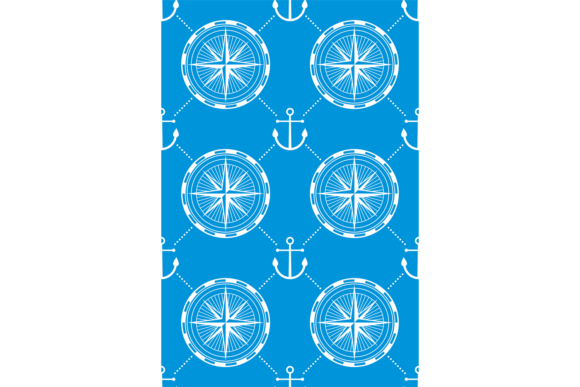
Marine Travel Pattern: Decorative Seamless Design
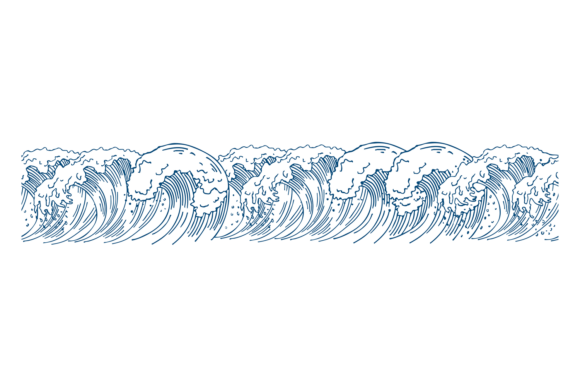
The ocean has always held a magnetic pull for humanity, inspiring art, navigation, and storytelling for centuries. When this inspiration is translated into digital design, it often takes the form of a marine travel pattern. Specifically, a decorative seamless banner background offers a versatile visual tool that bridges the gap between aesthetic appeal and functional utility. Whether you are looking at a vector illustration available in EPS, JPG, or SVG formats, the core value lies in its ability to create an endless, flowing narrative of movement across water without visible breaks.
At its heart, this type of design features repeating elements such as stylized waves, compass roses, vintage ships, lighthouses, or nautical ropes. The "seamless" aspect is technical yet crucial; it means the image tiles perfectly horizontally and vertically. This allows designers to stretch the graphic across a website header, wrap it around a product package, or print it on fabric without awkward cuts or misaligned edges. The availability of multiple file formats ensures that the artwork remains crisp whether it is displayed on a high-resolution retina screen or printed on large-format marketing materials.
Why Visual Consistency Matters Across Industries
Different professionals approach the concept of a marine travel pattern with vastly different priorities. For a web designer or blogger, the primary concern is often load speed and responsiveness. They might prefer an SVG (Scalable Vector Graphics) file because it scales infinitely without losing quality and typically has a smaller file size than a high-resolution JPG. This format allows the decorative banner to look sharp on a mobile phone and a desktop monitor alike, ensuring the user experience remains smooth.
In contrast, a print professional or packaging designer will prioritize the EPS (Encapsulated PostScript) version of the same illustration. Print media demands high resolution and specific color separations, often requiring CMYK color modes rather than the RGB used for screens. For these users, the ability to edit individual nodes within the vector file is essential. They might need to adjust the curve of a wave to fit a specific label shape or change the color of a ship's sail to match a brand's palette. The flexibility of the vector format empowers them to customize the decorative element without starting from scratch.
Tailoring Usage to Your Role and Goals
Understanding how to leverage a decorative seamless background depends heavily on your specific role and the project at hand. Here is how various groups might evaluate and utilize these assets:
- Small Business Owners and Entrepreneurs: For those launching a coastal cafe, a boat rental service, or a summer clothing line, branding is everything. A marine travel pattern provides an instant thematic connection. Instead of hiring an illustrator to draw custom waves, a business owner can license a high-quality seamless pattern to use on their website header, social media banners, and even employee uniforms. The priority here is cost-effectiveness and brand alignment. The pattern must evoke the right feeling—adventure, relaxation, or luxury—without distracting from the core message or logo.
- Educators and Content Creators: Teachers creating materials for geography lessons or history presentations about exploration can use these patterns to frame their content. A seamless border featuring vintage navigational tools can make a worksheet feel more immersive. Similarly, YouTubers or podcasters covering travel stories might use the pattern as a lower-third graphic or a channel backdrop. Their main focus is engagement and visual storytelling. The asset needs to be interesting enough to hold attention but subtle enough not to overpower the text or speaker.
- Hobbyists and DIY Enthusiasts: The rise of home crafting has made digital downloads incredibly popular. A hobbyist might purchase a marine travel pattern to print on transfer paper for t-shirts, to decoupage onto a wooden sign, or to use in digital scrapbooking. For this group, ease of use is paramount. They often look for files that are ready to print or easy to manipulate in consumer-grade software. The joy comes from the creative application rather than the technical editing of the source file.
- Marketers and Advertisers: In seasonal campaigns, particularly during summer or holiday periods involving travel, marketers need assets that convert. A decorative banner with a strong nautical theme can increase click-through rates by signaling a vacation mindset immediately. These professionals evaluate the pattern based on conversion potential and versatility. Can this one image work for an email newsletter, a Facebook ad, and a landing page? If the seamless nature allows it to be cropped in multiple ways while retaining its integrity, it becomes a high-value asset.
Evaluating Quality and Format Choices
When selecting a marine travel pattern, the decision between EPS, JPG, and SVG should not be arbitrary. Each format serves a distinct purpose in the workflow.
JPG files are raster images, meaning they are made of pixels. They are universally compatible and easy to view, making them ideal for quick mockups or situations where editing is not required. However, if you enlarge a JPG too much, it will become pixelated and blurry. This format is best for final outputs where dimensions are fixed, such as a specific web banner size.
SVG files are code-based vectors. They are the gold standard for modern web development. Because they render using mathematical paths, they remain perfectly crisp at any size. Furthermore, CSS can be used to animate parts of an SVG, allowing a designer to make the waves gently rock or the clouds drift. For interactive projects, this format offers unparalleled flexibility and performance.
EPS is the industry standard for print. It preserves all the editable data of the original vector illustration. If you need to separate layers, change colors, or modify specific elements of the marine design for a large-scale print run, EPS is the only choice that guarantees professional results. It ensures that the lines remain sharp even when printed on a billboard.
Making the Right Choice for Your Project
To determine if a specific marine travel pattern matches your needs, ask yourself three questions. First, where will this live? If the answer is strictly online, prioritize SVG for scalability and animation potential. If it is for physical goods, ensure you have access to the EPS or a high-resolution TIFF derived from it. Second, how much customization do I need? If you plan to alter colors or shapes to fit a strict brand guideline, a vector format is non-negotiable. Third, what is the emotional goal? A pattern heavy on intricate vintage details might suit a heritage brand, while a minimalist, flat-design wave pattern might better serve a modern tech startup launching a travel app.
The beauty of a decorative seamless banner background lies in its adaptability. It is not just a picture of the ocean; it is a structural element that can define the tone of a project. By understanding the nuances of file formats and aligning them with your specific role—whether you are a marketer seeking engagement, a designer seeking precision, or a hobbyist seeking creativity—you can transform a simple vector illustration into a powerful component of your visual identity. The right pattern does more than fill space; it guides the viewer's eye and sets the stage for the story you want to tell.