Strategic Implementation of Celtic Decorative Letters Clipart for Brand Identity and Creative Projects
In the crowded landscape of digital design and physical product creation, the choice of typography and graphical elements serves as a critical decision point for brand positioning. Celtic Decorative Letters Clipart represents more than a simple aesthetic choice; it is a strategic asset that communicates heritage, craftsmanship, and a distinct sense of timelessness. For entrepreneurs, educators, and creative professionals, integrating these assets requires a deliberate approach to ensure they enhance rather than distract from the core message. This analysis explores how to leverage this specific artistic style to achieve tangible results in branding, customer engagement, and project execution.
Defining the Strategic Value of Celtic Aesthetics
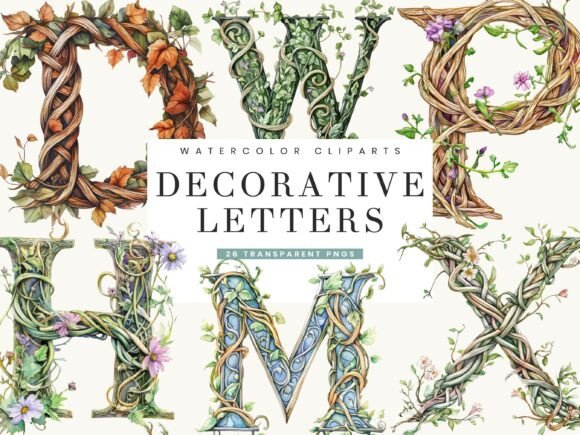
At its core, Celtic Decorative Letters Clipart consists of hand-painted, watercolor-style alphabets characterized by intricate knotwork, organic flows, and historical motifs. Unlike standard sans-serif or serif fonts, these letters carry immediate semiotic weight. They evoke associations with nature, history, mysticism, and high-quality artisanal work. When a business owner or creator selects these assets, they are making a statement about their values. The decision to use such distinct imagery should align with broader organizational goals, such as establishing a premium feel, connecting with audiences interested in folklore or history, or differentiating a product in a saturated market.
The utility of this clipart extends beyond mere decoration. In branding scenarios, consistency is key. Using a cohesive set of 26 high-definition letters allows for the creation of a unified visual language across various touchpoints. Whether applied to a logo, a series of greeting cards, or educational materials, the consistent application of these Celtic forms reinforces brand recognition. The watercolor texture adds a layer of humanity and imperfection that resonates with modern consumers who often seek authenticity over sterile, corporate perfection.
Aligning Visual Assets with Business Goals and Planning
Effective deployment of Celtic Decorative Letters Clipart begins with clear planning. Before downloading or purchasing a bundle, creators must define the specific outcome they wish to achieve. Are you aiming to increase perceived value for a luxury stationery line? Do you need to create an immersive atmosphere for a historical fiction book cover? Or perhaps the goal is to add a unique flair to wedding invitations that stands out from generic templates?
Strategic planning involves mapping these goals to specific use cases. For instance, a small business owner selling handmade soaps might use these letters for packaging labels to emphasize natural ingredients and traditional methods. In this context, the Celtic motif supports the narrative of "old-world" quality. Conversely, using these same assets for a futuristic tech startup would likely create cognitive dissonance, confusing the audience and diluting the brand message. Therefore, the decision to utilize this clipart must be grounded in an understanding of the target demographic and the emotional response the brand intends to elicit.
Furthermore, operational efficiency plays a role in this planning phase. Utilizing a complete A-Z set with transparent backgrounds ensures that designers can scale their projects without needing to source additional elements later. This foresight prevents workflow interruptions and maintains visual consistency across long-term campaigns. High-resolution files (300 DPI) are essential for print operations, ensuring that the final product meets professional standards and avoids the reputational risk associated with pixelated or low-quality outputs.
Practical Applications Across Industries
The versatility of Celtic Decorative Letters Clipart allows for diverse applications, provided they are executed with intention. Below are several sectors where these assets can drive meaningful results:
- Publishing and Education: Educators and publishers can use these letters to create engaging headers for history lessons, literature guides, or fantasy novels. The visual complexity of Celtic knots can stimulate interest and aid in memory retention by providing distinctive visual anchors for students.
- Event Planning and Hospitality: For weddings, retreats, or themed events, these letters serve as excellent tools for signage, menus, and invitations. They instantly set a tone of elegance and tradition, enhancing the guest experience before the event even begins.
- Retail and Product Design: Small business owners can incorporate these designs into product packaging, hang tags, and logos. The unique watercolor texture helps products stand out on shelves or in online thumbnails, potentially increasing click-through rates and conversion.
- Digital Content Creation: Bloggers and social media managers can use these assets to create branded graphics that break the monotony of standard digital feeds. When used sparingly and strategically, they can highlight key quotes or announcements, driving higher engagement.
In each of these scenarios, the success of the project depends on the thoughtful integration of the clipart. It should complement the content, not overpower it. The goal is to guide the viewer's eye and reinforce the message, not to distract with excessive ornamentation.
Risk Management and Contextual Considerations
While Celtic Decorative Letters Clipart offers significant advantages, there are risks associated with its misuse. One primary concern is cultural appropriation or misrepresentation. Celtic symbolism carries deep historical and spiritual significance for many communities. Creators must ensure that their use of these motifs is respectful and appropriate for the context. Using sacred symbols purely for decorative purposes without understanding their meaning can lead to backlash and damage brand reputation.
Another risk is visual clutter. The intricate nature of Celtic knotwork means that these letters can become difficult to read if scaled too small or placed against busy backgrounds. Decision-makers must prioritize legibility. If the audience cannot quickly decipher the message, the communication fails regardless of how beautiful the design is. Testing designs across different mediums—mobile screens, printed paper, large format banners—is crucial to ensure clarity.
Additionally, over-reliance on trend-driven aesthetics can date a brand. While the "cottagecore" or mystical vibe is currently popular, brands aiming for longevity should consider how these elements will age. Integrating Celtic letters as part of a broader, flexible brand identity system, rather than the sole defining feature, helps mitigate this risk. This approach allows the brand to evolve while retaining its core visual equity.
Execution Guidelines for Professional Results
To maximize the return on investment when using Celtic Decorative Letters Clipart, practitioners should adhere to a set of best practices. First, always start with high-quality source files. Transparent PNGs at 300 DPI provide the flexibility needed for professional layering and printing. Low-resolution images compromise the final output and reflect poorly on the creator's attention to detail.
Second, consider color theory and contrast. Watercolor textures often feature soft, blended hues. When placing these letters on a background, ensure there is sufficient contrast to maintain readability. Darker backgrounds may require lighter letter variations, while white backgrounds might need a subtle drop shadow or border to make the watercolor edges pop.
Third, maintain consistency. If you choose a specific style of Celtic lettering for your logo, carry that same style through to your marketing materials, website headers, and packaging. Inconsistency creates confusion and weakens brand recall. Create a style guide that dictates how and when these assets are used, ensuring that all team members or freelancers adhere to the established visual standards.
Finally, view these assets as part of a larger creative ecosystem. They work best when paired with complementary fonts and imagery. A clean, modern sans-serif font might pair well with Celtic initials to create a balance between tradition and contemporary minimalism. Experimentation is encouraged, but it should always be guided by the overarching goal of clear, effective communication.
Long-Term Value and Creative Sustainability
Investing in a comprehensive bundle of Celtic Decorative Letters Clipart is a decision that supports long-term creative sustainability. Having a reliable library of high-quality assets reduces the time spent searching for suitable graphics for future projects. This efficiency allows creators to focus more on strategy, content development, and customer interaction—the areas that truly drive business growth.
Moreover, the timeless nature of Celtic art ensures that these assets remain relevant beyond fleeting design trends. Unlike neon gradients or specific meme-based graphics that may lose appeal quickly, Celtic motifs have endured for centuries. This durability makes them a safe and smart choice for businesses looking to build a lasting visual identity. By approaching the use of these letters with strategic intent, respecting their cultural roots, and prioritizing clarity and consistency, professionals can harness their full potential to create impactful, memorable, and successful projects.
Ultimately, the power of Celtic Decorative Letters Clipart lies not just in its beauty, but in how intentionally it is applied. When used as a thoughtful component of a broader strategy, it elevates ordinary designs into extraordinary experiences, fostering deeper connections with audiences and driving measurable results.