Reviving the Wild West: The Power of Decorative Wanted Messages in Modern Design
There is something undeniably magnetic about the aesthetic of the American frontier. It evokes images of dusty saloons, high-noon standoffs, and the rugged individualism of outlaws on the run. At the heart of this visual language lies a specific document that has transcended its historical purpose to become a staple of graphic design: the Dead or Alive Wanted Message. While originally a grim notice posted by sheriffs and bounty hunters, today it serves as a versatile creative asset for events, marketing campaigns, and digital art projects.
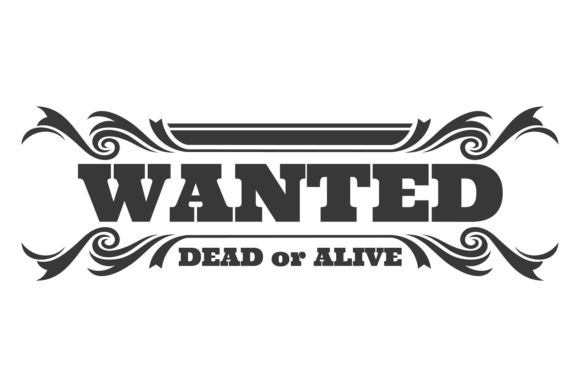
When designers and event planners search for Dead or Alive Wanted Message. Decorative vintage text isolated on white background EPS, JPG, SVG, transparent PNG, they are looking for more than just a picture of an old poster. They are seeking a tool that instantly communicates a theme, sets a tone, and engages an audience through nostalgia and storytelling. Understanding how to leverage these decorative elements effectively requires a look at both their historical roots and their practical applications in contemporary workflows.
The Anatomy of a Classic Wanted Poster
To use these assets authentically, one must first appreciate what makes them iconic. A traditional wanted poster was never designed to be pretty; it was designed to be read quickly by a literate or semi-literate populace in a bustling town square. Consequently, the typography is bold, urgent, and often distressed. The phrase "Dead or Alive" is typically the most prominent feature, serving as the headline that grabs attention immediately.
Modern digital recreations, such as the Dead or Alive Wanted Message available in various file formats, capture this urgency while refining the aesthetics for modern use. Key characteristics include:
- Distressed Typography: Fonts that mimic woodblock printing, often featuring ink bleeds, uneven edges, and varying stroke weights to simulate age.
- Paper Texture: High-quality files often include subtle grain, tea-staining effects, or torn edges to replicate the feel of aged parchment.
- Hierarchical Layout: The design prioritizes the reward amount and the name of the fugitive, guiding the viewer's eye in a specific Z-pattern.
- Ornamental Borders: Victorian-era flourishes and decorative lines frame the content, adding a touch of elegance to the otherwise rough document.
When you download a package containing Dead or alive wanted message. Decorative vintage text isolated on white background EPS, JPG, SVG, transparent PNG, you are gaining access to these specific stylistic elements separated from the background. This isolation is crucial for flexibility, allowing the text and graphics to be layered over new backgrounds without unsightly white boxes or jagged edges.
Practical Applications in Events and Entertainment
The most immediate and popular use case for these decorative messages is in themed entertainment. Western-themed parties, cowboy weddings, and corporate retreats with a "frontier" motif rely heavily on immersive decor. A generic invitation simply states the time and place; a custom Dead or Alive Wanted Message turns the invitation into a prop.
Imagine sending out invitations for a bachelor party where the groom is listed as the "fugitive," complete with a humorous crime description like "Stealing hearts since 1990." By utilizing an SVG or transparent PNG version of the wanted text, organizers can easily overlay a photo of the guest of honor onto the template. This level of personalization transforms a standard event into a memorable experience.
Beyond private parties, escape room designers and haunted attraction operators frequently utilize these assets. In a wild west-themed escape room, a wanted poster might not just be decoration; it could contain a hidden clue or a cipher necessary to solve a puzzle. The versatility of vector formats like EPS allows designers to scale these images to massive wall murals or shrink them down to small handouts without losing resolution or clarity.
Digital Marketing and Brand Storytelling
While the physical application is obvious, the digital utility of the Dead or Alive Wanted Message is equally significant. Brands looking to launch a product with a "rebellious" or "rugged" identity often incorporate western motifs into their social media campaigns. A coffee brand launching a new "bold roast" might release a series of graphics featuring the coffee bag as the wanted item, using the decorative text to highlight flavor notes as "crimes against boredom."
The availability of transparent PNGs is particularly valuable here. Social media managers can drop these elements directly onto lifestyle photography or video thumbnails. Because the text is already stylized and isolated, it reduces the time needed for complex photo editing. Instead of spending hours distressing fonts in Photoshop, a marketer can drag and drop a pre-made Dead or Alive Wanted Message element, adjust the color balance to match the brand palette, and publish within minutes.
Furthermore, these graphics perform well in email marketing headers during seasonal promotions, particularly around holidays like Halloween or Independence Day in the US, where thematic content drives higher engagement rates.
Navigating File Formats for Professional Results
Not all digital assets are created equal, and choosing the right format from a collection labeled Dead or alive wanted message. Decorative vintage text isolated on white background EPS, JPG, SVG, transparent PNG is critical for the final output quality. Each format serves a distinct purpose in a designer's workflow.
- EPS (Encapsulated PostScript): This is the gold standard for print professionals. If you are creating large-format banners, vinyl decals for a storefront, or high-resolution brochures, the EPS file is essential. It is a vector format, meaning the image is defined by mathematical paths rather than pixels. You can enlarge a wanted poster to the size of a building, and the edges of the "Dead or Alive" text will remain crisp and sharp.
- SVG (Scalable Vector Graphics): Ideal for web developers and UI designers. SVGs allow the decorative text to be responsive, scaling perfectly across mobile devices, tablets, and desktop screens. They also tend to have smaller file sizes than raster images, improving website load times—a key factor in SEO and user experience.
- JPG (Joint Photographic Experts Group): Best for static presentations or situations where file compatibility is the primary concern. While JPGs do not support transparency, they are universally accepted by almost every software platform. They are suitable for quick mockups or internal documents where the highest fidelity isn't required.
- Transparent PNG: Perhaps the most versatile for general use. The transparent background allows the decorative text to sit seamlessly over any colored or textured background. This is the go-to choice for composite images, video overlays, and social media graphics.
Understanding these distinctions ensures that the final project looks professional regardless of the medium. Using a low-resolution JPG for a large print job, for instance, would result in pixelation that ruins the vintage illusion.
Customization and Creative Freedom
The true power of acquiring a set of decorative wanted messages lies in the ability to customize. While the base asset provides the authentic look, the user controls the narrative. Modern design software allows for easy manipulation of these isolated elements.
Designers often tweak the color profiles to match specific branding guidelines. A classic sepia tone might be shifted to a stark black and red for a more aggressive, modern rock-and-roll vibe, or softened to pastels for a whimsical children's book illustration. The text itself can be edited if the source file allows, swapping out "Reward: $500" for "Reward: One Free Drink" or similar calls to action.
Moreover, these elements can be mixed with other design trends. Combining the rough, organic texture of a western wanted poster with sleek, modern minimalism creates a striking contrast that captures attention. This juxtaposition is increasingly popular in fashion editorials and album covers, where the Dead or Alive Wanted Message acts as a bridge between the old world and the new.
Considerations Before Adoption
Before integrating these graphics into a project, there are a few practical factors to consider. First, ensure the licensing terms allow for your intended use, especially for commercial projects. Second, think about the context. While the "Dead or Alive" trope is generally understood as playful fiction in a design context, sensitivity is required depending on the industry. For example, using such imagery in sectors related to security, law enforcement, or serious news may be inappropriate or confusing.
Additionally, legibility should always be a priority. The distressed nature of vintage fonts can sometimes make text hard to read, particularly at smaller sizes. When using the decorative text for informational purposes, ensure there is enough contrast between the text and the background, or consider simplifying the distress effects slightly to aid readability.
In conclusion, the Dead or Alive Wanted Message is far more than a relic of the past. It is a dynamic design element that offers instant thematic recognition and creative flexibility. Whether utilized in a vector format for a massive outdoor advertisement or a transparent PNG for a witty social media post, these decorative texts provide a unique way to tell stories and engage audiences. By understanding the nuances of the file formats and the potential applications, creators can harness the spirit of the Wild West to elevate their modern projects.