Integrating the Decorative Scented Flaming Wax Object into Your Daily Workflow for Enhanced Focus and Relaxation
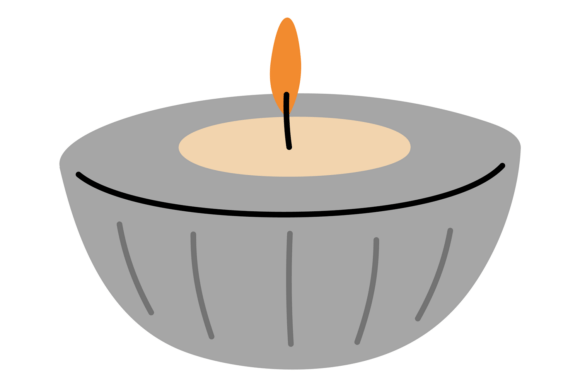
In the modern professional landscape, where boundaries between work and personal life often blur, the environment in which we operate plays a critical role in our productivity and mental well-being. While digital tools and project management software dominate conversations about efficiency, physical sensory inputs are frequently overlooked. The Decorative Scented Flaming Wax Object, commonly known as an aromatherapy candle, represents more than just a home decor item; it is a tangible tool for environmental conditioning. When integrated thoughtfully into a daily routine, this element serves as a psychological trigger that can delineate work phases, enhance creative flow, and facilitate necessary recovery periods.
Understanding how to leverage this simple object requires shifting perspective from viewing it as mere decoration to seeing it as a functional component of your personal operating system. Whether you are a freelancer managing multiple clients, an entrepreneur steering a startup, or an educator preparing lesson plans, the ritual of lighting a scented wax object can act as a consistent anchor in a chaotic schedule.
The Role of Sensory Cues in Professional Processes
Human cognition is deeply responsive to sensory stimuli, particularly smell and sight. In a workflow context, consistency is key to building habits. By designating a specific Decorative Scented Flaming Wax Object for specific types of work, you create a Pavlovian response that primes your brain for the task at hand. This process eliminates the friction of "getting started" because the sensory cue signals to your nervous system that it is time to shift gears.
For instance, a citrus or peppermint-scented wax object might be reserved exclusively for high-intensity analytical tasks, such as financial modeling or coding. Conversely, a lavender or sandalwood variant could be designated for deep creative work or post-project decompression. The visual element of the flame provides a focal point for micro-breaks, allowing the eyes to rest from screens while the scent maintains a conducive atmosphere. This dual engagement of sight and smell creates a multi-layered environmental asset that supports sustained attention.
Pre-Task Preparation and Ritualization
Effective execution of any project begins with preparation. Before diving into a complex task or a strategic planning session, the act of lighting the candle serves as a transitional ritual. This brief pause allows you to mentally close the loop on previous activities and set an intention for the upcoming block of time. It is a physical manifestation of the "start" command in your personal workflow.
- Clearing Mental Clutter: The few moments spent striking a match and watching the wick catch fire provide a buffer zone to let go of distractions.
- Setting the Tone: Choosing a scent that aligns with your goal (e.g., energizing vs. calming) helps calibrate your emotional state before you open your laptop or notebook.
- Environmental Audit: The act often prompts a quick check of the surrounding workspace, ensuring lighting and organization are optimal for the session ahead.
This preparatory phase is crucial for professionals who struggle with context switching. By making the lighting of the Decorative Scented Flaming Wax Object a non-negotiable first step, you establish a reliable entry point into deep work states.
Integration During Active Workflows
Once the work has commenced, the burning candle continues to serve a functional purpose beyond ambiance. It acts as a temporal marker. In methodologies like the Pomodoro Technique, where work is broken into intervals, the presence of the flame can serve as a passive timer or a constant reminder of the current focus window. As long as the candle burns, the commitment to the task remains active.
Furthermore, in collaborative settings, whether virtual or in-person, the scent profile can influence group dynamics. For teams engaging in brainstorming sessions, uplifting scents can foster energy and idea generation. However, usability and compatibility are vital here. The scent must be subtle enough not to overwhelm participants or interfere with concentration. Strong, cloying fragrances can become a distraction rather than an aid, negatively impacting the quality of output. Therefore, selecting a vector cartoon flat style illustration for marketing materials might require a clean, crisp scent, whereas writing a reflective blog post might pair better with something warmer and spicier.
It is also important to consider the interaction between the candle and other tools. If you are using air purifiers or HVAC systems with strong filtration, the dispersion of the aroma may be altered. Similarly, in small home offices, ventilation becomes a factor in maintaining air quality while enjoying the benefits of aromatherapy. Ensuring that the burning candle complements rather than conflicts with your existing infrastructure is part of effective resource management.
Post-Project Decompression and Quality Control
The utility of the Decorative Scented Flaming Wax Object extends to the conclusion of a workflow. One of the most challenging aspects of remote work or intense creative periods is knowing when to stop. Without a physical commute to signal the end of the day, work can bleed into personal time, leading to burnout. Extinguishing the candle can serve as the definitive "clock-out" signal.
This ritual aids in the transition from "producer" mode to "rest" mode. Switching to a different scent profile specifically for relaxation—perhaps a cozy home spa blend—reinforces this boundary. It tells the brain that the execution phase is complete and the recovery phase has begun. This separation is essential for long-term sustainability and consistent quality control in your work. When you are well-rested, your decision-making improves, and your creative output remains high.
- Review Phase: Use the calm atmosphere generated by a soothing scent to review the day's accomplishments without judgment.
- Planning for Tomorrow: The relaxed state facilitates clearer thinking for outlining the next day's priorities.
- Mental Detachment: The visual of the flame diminishing helps visualize the release of work-related stress.
Practical Implementation and Safety Considerations
To successfully integrate this element into your routine, practical considerations regarding safety and maintenance are paramount. A workflow interrupted by safety hazards or poor maintenance is counterproductive. Always place the Decorative Scented Flaming Wax Object on a stable, heat-resistant surface away from flammable materials, including papers, drafts, and electronic equipment.
Consistency in usage also involves managing the asset itself. Trimming the wick before each use ensures a clean burn and prevents soot, which could dirty your workspace or affect air quality. Tunneling, where the wax only melts in the center, reduces the lifespan of the candle and wastes resources. Ensuring a full melt pool during the first few uses maximizes the value and longevity of the product. These small maintenance tasks mirror the broader principles of asset management in business: regular upkeep prevents larger issues down the line.
When selecting a candle, consider the source and ingredients. For those with sensitivities or who spend hours in close proximity, natural waxes like soy or beeswax with essential oil-based fragrances are often preferable to synthetic paraffin blends. This aligns with a holistic approach to health and productivity, ensuring that the tool meant to enhance well-being does not introduce toxins into your immediate environment.
Adapting to Different Work Contexts
The versatility of the Decorative Scented Flaming Wax Object allows it to fit into various professional archetypes. For a content creator filming videos, the aesthetic appeal of a cute aroma therapy element can serve as a background prop that enhances the visual brand, provided it is safe and unobtrusive. For a writer, the scent can be a memory hook, associating a specific fragrance with a particular book series or project, making it easier to slip back into the narrative world after a break.
Educators and trainers can use scent to mark different segments of a workshop or class, helping students associate certain smells with focus times versus discussion times. In all these scenarios, the object is not the star of the show but a supporting character that enhances the main performance. It interacts seamlessly with digital calendars, task lists, and communication platforms by providing the physical grounding that screens cannot offer.
Ultimately, the goal is to create a cohesive ecosystem where every element, digital or physical, contributes to your efficiency and satisfaction. The Decorative Scented Flaming Wax Object is a low-cost, high-impact tool that, when used with intention, can transform a sterile workspace into a dynamic environment conducive to growth, creativity, and balance. By treating it as an integral part of your process rather than an afterthought, you harness its full potential to support your professional journey.