Elevating Biophilic Design: The Strategic Impact of the Houseplant Shelf on Modern Interiors
In the evolving landscape of interior design and digital content creation, the intersection of nature and architecture has never been more critical. As professionals across marketing, real estate, and creative industries seek to humanize spaces, the houseplant shelf has emerged as a pivotal element. It is no longer merely a piece of furniture; it is a curated stage for decorative indoor green that signals wellness, sophistication, and an acute awareness of environmental trends. Whether utilized in a high-end corporate lobby, a cozy home office, or as a central subject in stock photography, the integration of these shelves reflects a broader shift toward biophilic design principles.
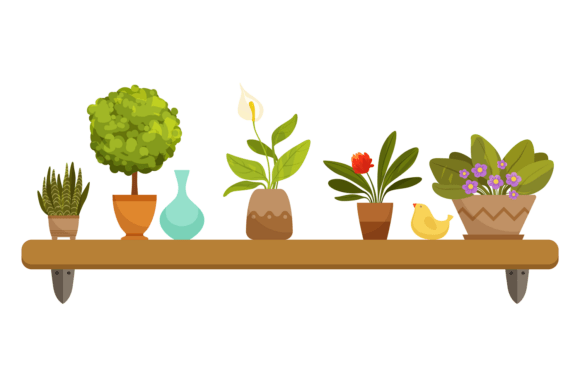
The concept of the houseplant shelf. Decorative indoor green arrangement represents a synthesis of functionality and aesthetics. For the modern entrepreneur or freelancer working remotely, the background of a video call is as important as the foreground of their presentation. A well-styled shelf filled with vibrant foliage provides a subconscious cue of stability and growth. Similarly, for marketers and graphic designers, assets featuring houseplant shelf. Decorative indoor green flower pots isolated on white background EPS, JPG, SVG, transparent PNG are indispensable. These high-fidelity resources allow creators to composite natural elements into diverse contexts without the logistical hurdles of physical staging, ensuring brand consistency while maintaining an organic feel.
The Convergence of Lifestyle Trends and Digital Assets
The surge in attention surrounding indoor gardening is not a fleeting fad but a response to changing lifestyle dynamics. As urbanization increases and access to private outdoor space diminishes, the interior environment must compensate. The houseplant shelf serves as a vertical garden, maximizing limited square footage while improving air quality and psychological well-being. This trend has rippled outward into the commercial sector, where offices are being redesigned to attract talent back to physical locations. Companies are investing in "living walls" and styled shelving units to create environments that feel less sterile and more conducive to creativity.
From a technological and workflow perspective, the demand for specific digital assets has skyrocketed. Content creators require flexibility. When a designer needs to visualize a new product line or a marketer is building a landing page for a wellness brand, they often turn to isolated imagery. The availability of houseplant shelf. Decorative indoor green flower pots isolated on white background in formats like EPS, JPG, SVG, and transparent PNG streamlines this process. These formats cater to different stages of the production pipeline:
- SVG (Scalable Vector Graphics): Ideal for web interfaces and responsive designs where the shelf graphic must remain crisp at any resolution.
- Transparent PNG: Essential for layering over complex backgrounds in social media graphics or video overlays without unsightly white boxes.
- EPS (Encapsulated PostScript): Preferred by print professionals for high-resolution brochures and large-format signage where color accuracy is paramount.
- JPG: Suitable for quick previews, blog headers, and situations where file size optimization is a priority.
This versatility underscores why the topic is gaining traction among professionals. It is not just about buying a plant; it is about having the right assets to communicate a brand's values efficiently. The ability to deploy decorative indoor green elements instantly across multiple channels allows businesses to stay agile and visually relevant.
Redefining Workflows and Consumer Expectations
The expectations of consumers and clients have shifted dramatically. There is a growing preference for authenticity and transparency, values that are visually communicated through natural elements. A stark, empty room can feel cold and uninviting, whereas a space anchored by a houseplant shelf feels lived-in and cared for. This psychological impact is leveraged heavily in real estate staging and hospitality design. Properties adorned with lush, layered greenery tend to sell faster and command higher perceived value because they help potential buyers envision a thriving life within the space.
Furthermore, the workflow of the modern creator has adapted to include these elements as standard components. In the past, styling a shoot required days of sourcing plants, managing watering schedules, and dealing with lighting inconsistencies. Today, the use of pre-rendered or professionally photographed assets—such as a houseplant shelf. Decorative indoor green flower pots isolated on white background—allows for rapid prototyping of ideas. A freelance graphic designer can test ten different layout variations in an hour, swapping out plant types and pot styles digitally to see what resonates best with the target demographic.
This efficiency does not come at the cost of quality. On the contrary, professional isolation techniques ensure that every leaf and shadow is perfectly captured, providing a level of polish that is difficult to achieve in a hurried physical setup. For entrepreneurs launching e-commerce stores, using high-quality SVG or PNG files of indoor greenery can elevate a basic template into a premium-looking storefront, fostering trust and engagement from the first click.
Practical Applications Across Industries
The utility of the houseplant shelf extends far beyond residential decor. Consider the following sectors where this trend is reshaping strategies:
- Corporate Branding: Tech companies and startups utilize imagery of organized, green workspaces to project an image of innovation and sustainability. Using isolated assets allows them to maintain this aesthetic across global marketing campaigns regardless of local office constraints.
- Wellness and Healthcare: Clinics and wellness centers incorporate biophilic elements to reduce patient anxiety. Digital mockups featuring decorative indoor green help architects and interior designers visualize these calming effects before construction begins.
- E-Learning and Webinars: Educators and thought leaders optimize their video backgrounds with virtual shelves. This creates a professional yet approachable atmosphere, keeping viewers engaged during long sessions.
- Retail Packaging: Brands selling organic or eco-friendly products often feature botanical illustrations or photos on their packaging. Access to high-resolution EPS files ensures these images print sharply on various materials, from cardboard to glass.
The relevance of these applications lies in their ability to bridge the gap between the digital and physical worlds. As remote work becomes a permanent fixture for many, the "office" is now wherever the laptop is open. Curating this environment with houseplant shelf arrangements, whether real or digital, has become a necessary part of professional presentation.
The Future of Integrated Green Design
Looking forward, the integration of decorative indoor green will only deepen. We are moving toward a future where the distinction between inside and outside continues to blur. Smart home technology is beginning to intersect with plant care, with automated irrigation systems and grow lights becoming standard features in modern shelving units. For the content creator, this means an expanding library of possibilities. The demand for diverse assets—from succulents to towering ferns, all available as houseplant shelf. Decorative indoor green flower pots isolated on white background EPS, JPG, SVG, transparent PNG—will grow as niches become more specialized.
Moreover, the emphasis on sustainability drives the need for durable, long-lasting design solutions. Artificial plants have seen a renaissance in quality, making them viable alternatives for spaces where live maintenance is impossible. High-end synthetic options, when captured in high-resolution photography, provide the same visual benefits as live plants without the resource overhead. This aligns with the broader industry push towards sustainable practices, allowing designers to achieve the biophilic look without the water usage or waste associated with replacing dying flora.
In conclusion, the houseplant shelf is more than a trend; it is a fundamental component of contemporary design language. It addresses the human need for connection to nature while solving practical problems related to space, branding, and digital content creation. For professionals, understanding how to leverage both physical installations and digital assets like houseplant shelf. Decorative indoor green flower pots isolated on white background is crucial. It empowers creators to build narratives that are fresh, engaging, and deeply resonant with today's audience. By embracing these elements, businesses and individuals alike can craft environments and experiences that are not only visually stunning but also psychologically supportive and commercially effective.
As we continue to navigate a world that is increasingly digital yet crave tangible connection, the simple act of placing a decorative indoor green element on a shelf becomes a powerful statement. It says that we value growth, we care for our surroundings, and we understand the delicate balance between technology and nature. Whether you are staging a home, designing a website, or branding a new venture, let the houseplant shelf be your foundation for success.